Sports betting in Latin America: a booming growth industry

Avatar img
Kushki
Kushki
abril 03, 2024
Lectura de 2 minutos
Sports betting in Latin America: a booming growth industry

Sports betting in Latin America: a booming growth industry

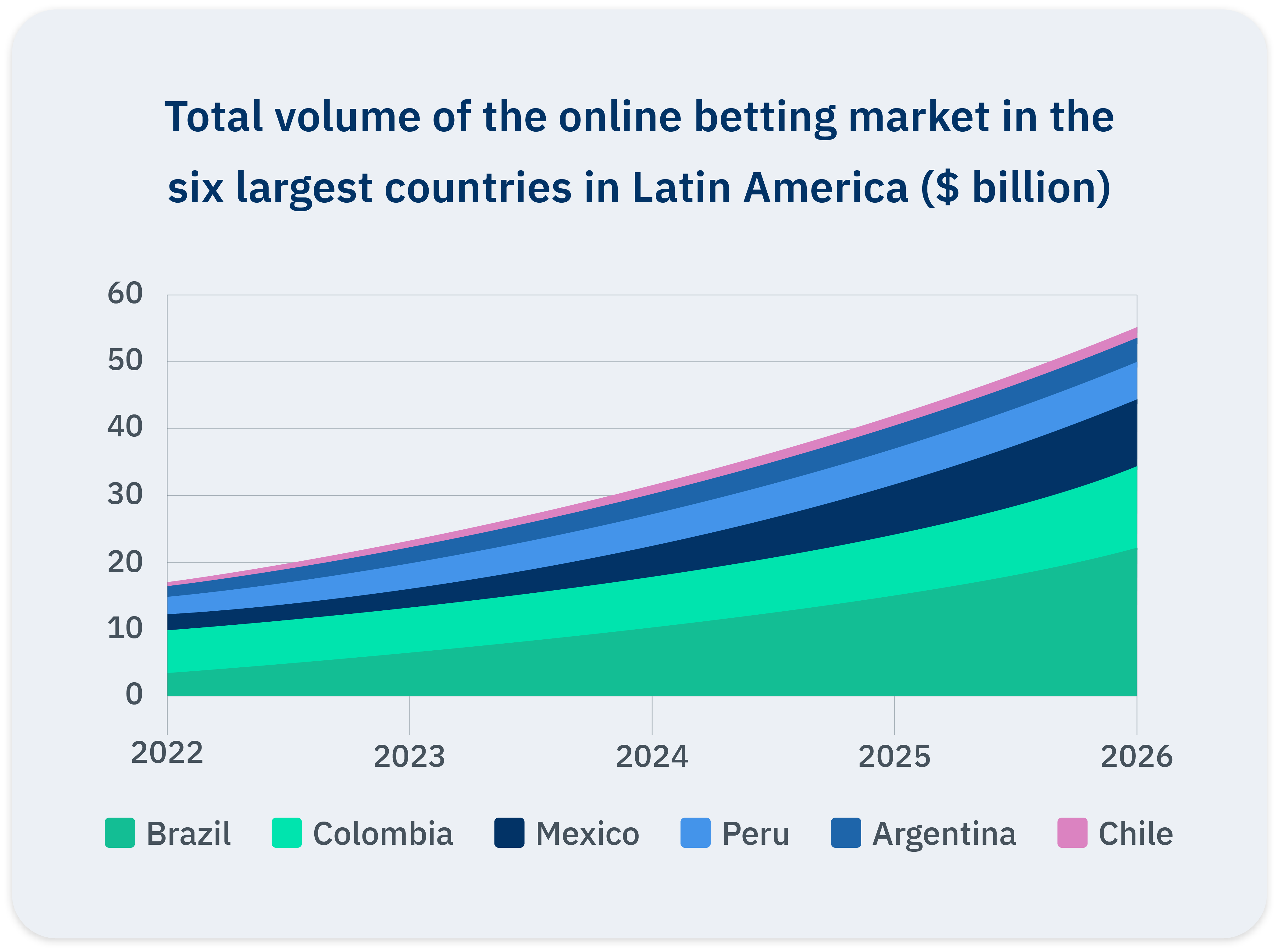
The sports betting landscape in Latin America has undergone a significant change in recent years. Traditionally in the background compared to the European market, the region has emerged as a fertile ground for the expansion of the industry.

In this blog, we will explore which countries are leading this legal and financial rise in the world of sports betting.
Recurso 6 (1)

Colombia: Pioneer in Sports Regulations

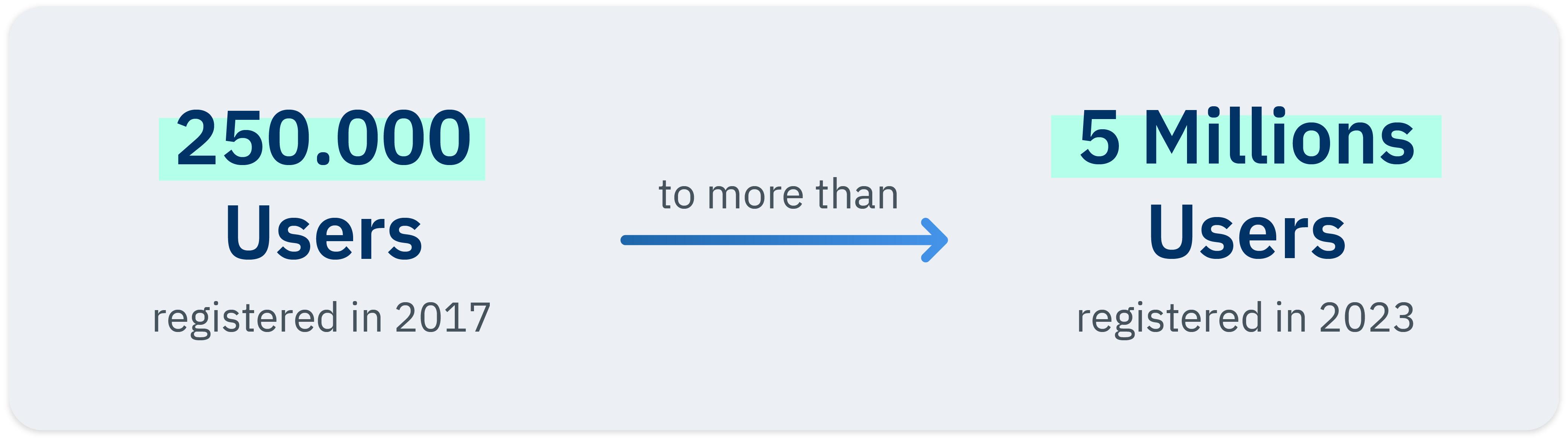
Since the legalization of the online marketplace in 2016, the country has experienced growth, with over 5 million registered users by 2023. The main activity is centered on soccer, accounting for 90% of the gambits. A thorough understanding of the laws and tax compliance is crucial to operate in this market.
Recurso 8 (1)

Law 643 from 2001 remains a key pillar in Colombia, and tax compliance is essential to avoid costly penalties. Both companies and customers must comply with their tax obligations, as penalties for evasion can result in substantial payments. The betting market in Colombia is moving forward, driven by the legalization of betting. With strong regulation and a focus on tax compliance, Colombia is uniquely positioned to lead the way in the Latin American betting industry.

Mexico: Challenges in sports betting

With an estimated processing value of $4 billion in 2023, the country ranks third in terms of volume. However, despite this place of honor, Mexico faces significant challenges, including illegality, the prevailing culture and the use of cash in betting.
Recurso 7

In Mexico, more than a simple formality, the process of obtaining a license involves a number of criteria. And while having a license and an established entity in Mexico is a crucial step, it does not guarantee legal compliance, given the complex web of restrictions that govern the market.

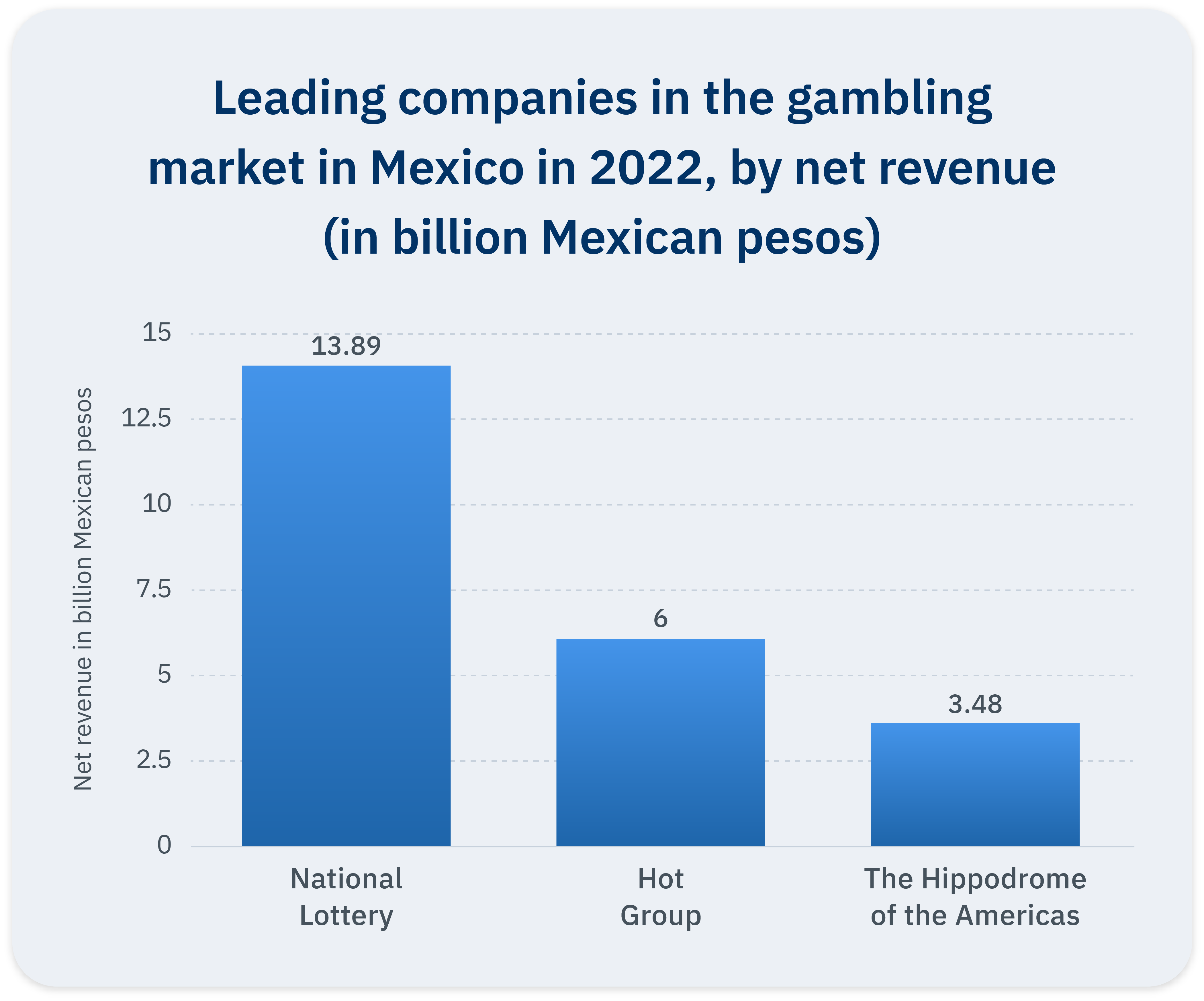
A prominent player in the Mexican betting market is the National Lottery, which in 2022 generated a total Revenue of MXN 13.89 trillions, outperforming its competitors. One of the reasons for its success is the diversity of payment methods it offers, from face-to-face purchases at points of sale to an online option, which also reaches younger and digitally savvy segment of users.

Despite the success of the National Lottery, Mexico still has a lower banking penetration rate than other countries in the region, suggesting a vast potential for the inclusion of digital payment technologies in the betting market.

Brazil: The champion in sports betting

Brazil is on the road to success in the world of sports betting. With an impressive volume of $7 billions in 2023, the country has become the undisputed market leader in the region. The sector experienced a 135% increase through 2022, signaling an expanding market and an insatiable appetite for sports betting in the country.

Behind this success lies a combination of key factors, including the growing social legitimacy of online betting and the evolution of payment methods, especially the popularity of Pix. This instant payment system plays a key role in facilitating fast transactions, from bet payments to prize payouts.

But beyond technological advances and cultural shifts, regulatory changes in Brazil are paving the way for an even more flourishing industry. In early December 2023, the Senate passed a bill establishing a clear legal framework for market operators, addressing crucial aspects such as taxation, advertising, and legal limits on operating.

Brazil is already a role model in the world of sports betting, combining and explosive growth with a solid regulation and an innovative payment infrastructure. With these elements in place, the future of sports betting in Brazil looks brighter than ever.

With regulation of the betting market underway across Latin America, global operators have the opportunity to expand in the region. The combination of financial and digital inclusion, along with the maturity of the Latin American market and real-time payment systems, are key factors to consider for success in the betting market.

Be the life of the party with the latest information on digital payments.

Subscribe to our Kushki Hub to receive alerts about our new content.

Suscribe illustration
Don't know which product is right for your business?
Does the world of payments catch your attention?

More about our kushki Hub

La seguridad como parte fundamental de las pasarelas de pago

En el mundo del comercio electrónico, la seguridad se ha vuelto un pilar fundamental a la hora de contratar un proveedor de servicios de pago. Existen múltiples plataformas que ofrecen grandes ventajas competitivas en el mercado, pero ahora, con tantos nuevos actores en el ecosistema de pagos, uno de los beneficios más relevantes y necesarios; tanto para los comercios, como para sus clientes, es la seguridad. El fraude transaccional es un problema al que se enfrenta el e-commerce en Latinoamérica, por tal razón, como proveedor de pago, no basta con ofrecer más medios de pagos o los precios más bajos del mercado. Seguridad en 3 partes: ¿Qué es 3Ds? Es un estándar de seguridad global basado en un modelo de 3 partes, donde el Adquirente y el Emisor están conectados con el propósito de establecer un proceso de autenticación del tarjetahabiente a través del protocolo 3Ds, para así, poder proveer la verificación del mismo y confirmación de la cuenta en uso. ¿Cómo funciona 3Ds para integrarse 100% desde API? Kushki; pensando en las necesidades y nuevas tendencias de la industria, incorpora a su estructura de pagos el sistema de 3Ds. El cual le permite adaptarse a las empresas sin necesidad de que ésta tenga que modificar su estructura, o como le dirían en un lenguaje más técnico: sin tener que realizar cambios en su “Front-end”. Esta estructura de integración, permite que grandes empresas con foco más técnico como PSP, Orquestadores, empresas de la industria de gaming y gambling puedan integrarse sin tener que modificar su estructura. ¿Qué beneficios obtengo al contar con 3Ds? El mayor beneficio para los comercios a la hora de integrar 3Ds, es la gestión de contracargos. Si bien es cierto que el mundo digital va aumentando su porcentaje de participación todos los años en varios países, eso conlleva también a que los contracargos aumenten. Los contracargos son el dolor más grande que tiene un comercio a la hora de tener una tienda online, puesto que, en la mayoría de las disputas, es el comercio quien debe responder. Cuando las transacciones se autentican a través de 3Ds, y se cuenta con la evidencia de la entrega del producto o servicio, el contracargo deja de ser responsabilidad del comercio y pasa a ser responsabilidad del banco emisor, lo que permite a los comercios tener mas tranquilidad de sus transacciones. ¿Por qué elegir Kushki + 3Ds 100% API? Nuestra solución 3Ds 100% API permite a los clientes que ya cuentan con la certificación PCI compliance, integrarse de manera más rápida y sencilla. Nuestro 3Ds permite: Optimizar las aprobaciones: al usarse como otra capa de defensa contra el fraude, se pueden minimizar los falsos positivos, permitiendo así un mayor rendimiento en las autorizaciones. Traslado del riesgo de los contracargos al emisor: el traspaso de responsabilidad al emisor brinda mayor protección de los contracargos por fraude. Reducir los gastos operativos: Menos contracargos significa menores costos de procesamiento por controversias. Aumentar la confianza del tarjetahabiente: Usar métodos de autenticación mejora la seguridad y reduce la fricción, lo cual aumenta la confianza del tarjetahabiente. Contacta ya a un asesor y veamos juntos todo lo que podemos hacer para impulsar las ventas seguras y sencillas con Kushki y 3Ds. Contactar asesor
Avatar img
Steff Cervantes
Redactora B2B
marzo 31, 2024

Learn About How We Work: Kushki Hierarchies

If you’re a multichannel business or payment service provider (PSP), you’ve probably experienced the need to: efficiently organize and manage your payment collection and disbursement; have options for delegating responsibilities to managers or heads of each location or branch; create different lines of business; or view all your transaction information in one place. If that sounds like you, your business needs the versatility of Kushki Hierarchies. With this feature, you’ll get tools to manage your business through the batch creation of branches, the grouping of sub-merchants by categories, and a unified configuration for disbursing payments, all under a Master Customer, which allows you to manage and view transaction information and get reports. Keep reading to learn about everything Kushki Hierarchies can do for your business administration. What is Kushki Hierarchies? It’s the ability for a retailer or PSP to divide its business into branches, based on its categorization needs: whether by location, line of business, payment channel, or any other characteristic. How does Kushki Hierarchies work? As the name implies, Kushki Hierarchies is based on a model in which a business or PSP places its merchants or sub-merchants into a hierarchical system where they can more efficiently consult, view, and manage information about the collection and disbursement of funds, as seen below. Individual merchants will be able to request a configuration for their branch using their same financial and administrative information, or they can individualize certain data in each location (Branch or Sub-Merchant), such as: Company information Services Financial configuration Fees and discounts Processes Developer services (Webhooks) Users And more Branches or Sub-Merchants are secondary merchants who may or may not be subordinate to the main merchant or PSP. There are 2 types of Branches: Centralized: This is a branch (or branches) that shares the same basic information, fees, and financial configuration as the Main Merchant, as well as processors, payment methods, services, credentials and established users. They use the same exact information and configuration. Decentralized: These are the branches that do not share the same information as the Main Merchant. Specific information can be configured for each branch in cases where financial or legal information differs. In addition, each Branch can adjust its configuration whenever necessary to go from centralized to decentralized or vice versa. This centralization and decentralization can be configured individually per Branch or batched just as easily. Sounds pretty good, right? Let's say your merchant is a Retail business, specifically a supermarket chain, and you use the Hierarchy system to differentiate between branches within your city, outside your city, or even in other countries. With Kushki Hierarchies you’ll be able to: Organize each supermarket’s point of sale by branch, both inside and outside of the country, centralizing all the information in a single platform. Easily configure or update multiple branches at once, based on your company's needs. Use a single administrative console for global control of access, consultation and management. Optimize billing and liquidation processes with disbursement to different accounts and with easy, unified reports. Customize anti-fraud systems based on the point of sale. Manage chargeback processes more efficiently. It’s not just the Retail industry that benefits from our Kushki Hierarchies service. Here are some examples of where other industries can benefit from the versatility of this feature: - Gambling: Create various business lines; one for delivering winnings, another for sports betting, and another for casinos or anything else your business needs. - Utilities: Ideal for determining which institutions and cities are collecting the most money so you can come up with new strategies to strengthen sub-merchants who aren’t performing as well. - Education: If you have tuition collection software for several educational institutions, configure your branches so each school’s payments are made separately, either through an aggregator or gateway model. This service for maximizing your whole business is available to Kushki's retail customers in: Mexico, Chile, Colombia, Peru, and Ecuador. And at no additional cost. And if your business admin is located outside LATAM, we have payment options available through our Global PSP business unit. Reach out to an advisor today and transform your business management the smart, flexible way with the Kushki Hierarchies system. Contact an advisor
Avatar img
Steff Cervantes
Redactora B2B
marzo 25, 2024

Sports betting in LATAM: an industry booming with growth

Last update: May 2025 In recent years, Latin America has gone from being a minor player to becoming one of the most dynamic markets in the global sports betting industry. Driven by regulatory changes, increased digitization, and new consumer habits, the region is charting its own path toward a more structured and competitive ecosystem. In this blog, we analyze how the main sports betting markets in the region are evolving and what opportunities are emerging for operators, financial institutions, and payment platforms. Colombia: pioneer in regulation and regional model Since the legalization of online gambling in 2016, Colombia has established itself as the regulatory benchmark in Latin America. In 2024 alone, Colombia surpassed 8 million registered users on online gambling platforms, consolidating its position as a regional leader in regulation and digital adoption. Law 643 of 2001 remains the backbone of the sector, requiring a high standard of tax compliance. Companies and users must strictly adhere to the fiscal framework, as penalties for evasion can be severe. Sports betting grew between 30% and 40% in 2024, driven by sporting events and a robust offering from legal operators. As of April 2024, the sector transferred $117.068 billion Colombian pesos to the healthcare system, and total revenue is expected to exceed one trillion pesos by the end of the year. Mexico: Challenges in sports betting With an estimated value of more than $60 billion Mexican pesos in 2024, Mexico remains in third place in the region in terms of volume. The frequency of betting has also increased: 25% of Mexican adults bet several times a week. However, the market still faces challenges. Obtaining licenses requires meeting strict criteria, but even with them, navigating the legal environment remains complex. The National Lottery, for example, achieved revenue of more than $13.89 billion pesos in 2022, thanks in part to its wide range of physical and digital payment methods. The lag in banking penetration remains a brake on growth, but also a great opportunity for operators that integrate innovative payment technologies and promote financial inclusion. In Mexico, more than just a formality, the process of obtaining a license involves a series of criteria. And while having a license and an established entity in Mexico is a crucial step, it does not guarantee legal compliance, given the complex web of restrictions governing the market. Despite this, cases such as the National Lottery, which generated more than $13.89 billion Mexican pesos in 2022, show that diversifying payment methods (physical and digital) can make a big difference in an operator's success. Despite the success of the National Lottery, Mexico continues to have a lower banking penetration rate than other countries in the region, suggesting vast potential for the inclusion of digital payment technologies in the betting market. Brazil: the champion of sports betting Brazil has established itself as the largest market in Latin America, with a betting volume that reached $7 billion in 2023 and 23 million online users in 2024utm_source=chatgpt.com), equivalent to 15% of the population. Growth was largely driven by the popularity of Pix, the instant payment system that has revolutionized the way people bet and collect winnings. Regulation has also moved forward: in January 2025, a new law came into force that comprehensively regulates the sector, addressing advertising, taxation, and licensing. The market experienced remarkable growth following the regulation of the sector in January 2025, with a 90% increase in visits to online betting sites during the first quarter of the year. Brazil is already a model to follow in the world of sports betting, combining explosive growth with robust regulation and an innovative payment infrastructure. With these elements in place, the future of sports betting in Brazil looks brighter than ever. Chile: a vibrant sports betting scene Although online sports betting has gained momentum in Chile, the industry continues to operate in a legal limbo. However, the sector's sustained growth and economic impact have created pressure to create a formalized licensing regime that protects both operators and consumers. One of the main obstacles to the full legalization of sports betting in Chile is the state monopoly on lotteries, as well as the intervention of the Superintendencia de Casinos de Juego (SCJ). These actors have taken strong measures against betting operators, making it difficult to move toward full legalization. Despite these challenges, online betting has become an important source of revenue for sports in Chile. However, the lack of clear legislation has left the market in legal limbo, with an urgent need to establish a licensing regime for online operators. Furthermore, as of July 1, 2024, a new law regulating online gambling in Chile came into effect, establishing a clear legal framework for operators and protecting consumers. Did you know The law includes a 2% annual tax on gross revenue on sports betting, intended to finance national sports through the National Sports Institute (IND). Although the challenges are evident, there are also exciting opportunities to transform the industry and provide a safe gaming experience. The future of sports betting in Chile lies in the regulatory decisions that will be made in the coming years. Peru: a path full of contradictions In Peru, the enactment of the law regulating online gambling and sports betting in August 2022 generated high expectations. However, errors in its wording, such as the omission of tax payments by foreign operators, forced a rapid rectification through Bill 3595/2022. This situation has created uncertainty and pressure on operators, who must comply with the new provisions within a very short time frame. Despite this, the regulatory progress opens a window of opportunity to modernize the payment ecosystem and strengthen market confidence. In particular, the rise of RTP solutions (real-time payments) represents a competitive advantage for the sector by facilitating agile transactions during sporting events and accelerating the payment of prizes. Despite this, since February 2024, Peru has implemented Law No. 31557, regulating online sports betting and establishing a 12% tax rate on the profits of operating companies. In the first year of regulation, more than 60 betting houses were authorized by the Ministry of Foreign Trade and Tourism (Mincetur), consolidating Peru as a regional benchmark in gaming regulation. Want to learn more about this fascinating topic? Download our full Kushki Insights report here
Avatar img
Steff Cervantes
Redactora B2B
marzo 18, 2024