Gaming y gambling en Latinoamérica: ¿por qué todos los ojos están puestos en la región?

Avatar img
Steff Cervantes
Redactora B2B
julio 14, 2025
Lectura de 2 minutos
Gaming y gambling en Latinoamérica: ¿por qué todos los ojos están puestos en la región?

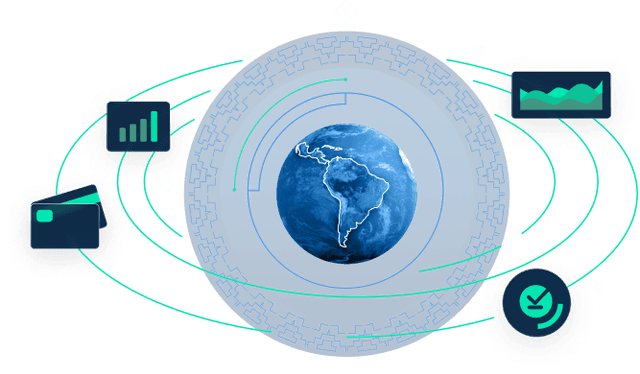
Durante mucho tiempo, Latinoamérica fue una región secundaria en el mapa global del gambling online. Pero eso cambió. Hoy, con una proyección de ingresos de $47.7 mil millones de dólares para 2029 y más de 90 millones de jugadores activos esperados, la región se consolida como uno de los mercados más atractivos y estratégicos del mundo para la industria del juego en línea.

Este crecimiento no es casualidad. Es el resultado de una mezcla entre regulaciones emergentes, adopción digital acelerada y un perfil de usuario joven y altamente conectado. Pero también conlleva retos importantes, especialmente en lo relacionado con pagos, compliance y experiencia del usuario.

En este blog te ofrecemos un vistazo resumido, aunque profundo, de nuestra última investigación; Kushki Insights, Gaming & gambling en LATAM, en donde encontrarás un panorama regional y por países, del avance de esta industria que genera y seguirá generando ganancias millonarias para todo aquel que decida apostar sus mejores cartas.

La región: diversidad y oportunidad

LATAM no es un mercado homogéneo. Mientras Colombia ya tiene una regulación madura y completamente operativa, otros países como Chile o México aún operan con marcos legales ambiguos o en construcción. Brasil y Perú, por su parte, han dado grandes pasos en los últimos meses y se perfilan como los nuevos protagonistas de la región.

Esta diversidad regulatoria representa un desafío, pero también una ventaja para quienes logren adaptarse. El secreto está en entender las reglas locales, anticiparse a los cambios y tener la infraestructura para escalar con rapidez.

Lo que está pasando en los países clave

México: ARPU de $460 USD, uno de los más altos de LATAM. Gran volumen de usuarios, pero sin regulación clara para el juego online. Oportunidad enorme si la modernización legal avanza.

Colombia: Primer país en regular de forma integral. Marco claro, operadores activos y usuarios digitales que valoran confianza, promociones y pagos rápidos.

Perú: Regulación aprobada en 2023, implementación en curso. Exige licencias para operadores, proveedores y PSP. Mercado en crecimiento rápido.

Chile: Sin regulación formal, pero con proyecto de ley activo. Los usuarios ya están jugando en plataformas internacionales. Alto potencial una vez se apruebe el nuevo marco.

Brasil: El gigante. Ley aprobada en 2023. Alto número de usuarios, adopción de pagos digitales (PIX), fuerte influencia del deporte. Uno de los mercados más codiciados.

Las barreras que frenan la conversión

- Cash-out lento: retiros que tardan entre 3 y 5 días, generando abandono. - Altas tasas de rechazo en tarjetas: por filtros bancarios o MCC no alineados. - Falta de integración con pagos locales: SPEI, PSE, PIX, Yape, PagoEfectivo y más - Procesos KYC con fricción: lentos, manuales o que requieren demasiados pasos. - Fragmentación operativa: tener que integrar con un proveedor distinto en cada país.

¿Cómo se superan estas barreras? Con un partner regional, como Kushki.

Frente a este panorama, los operadores no solo necesitan procesar pagos. Necesitan un aliado estratégico que entienda la regulación local, la tecnología requerida y el comportamiento del usuario latinoamericano. Aquí es donde Kushki se convierte en un habilitador clave:

  • Cobertura regional con una sola integración
  • PayIns en línea y presenciales (aplica solo para México)
  • PayOuts para dispersar en tiempo real pagos, apuestas y premios
  • Cumplimiento normativo (KYC, AML, PCI)
  • Tokenización, seguridad antifraude y más del 70% de tasa de aprobación
  • Visibilidad total con consola de gestión de pagos
  • Múltiples medios de pago para el usuario final
  • Soluciones sencillas de integrar

Conclusión: LATAM; el caballo negro de las apuestas

La industria del gambling en América Latina está creciendo rápido y con regulaciones que, aunque desiguales, avanzan hacia la formalización. Los operadores que entiendan las particularidades locales y se apoyen en aliados con cobertura regional tienen una ventaja clara para liderar este nuevo capítulo del juego online.

Descarga el paper completo y accede a los insights que están redefiniendo el gambling y gaming en la región: LINK AL PAPER

Be the life of the party with the latest information on digital payments.

Subscribe to our Kushki Hub to receive alerts about our new content.

Suscribe illustration
Don't know which product is right for your business?
Does the world of payments catch your attention?

More about our kushki Hub

How Santa María Marianistas College is leading educational innovation in Peru with Kushki and JDB

A prestigious institution with a vision for the future With more than 85 years of history, Colegio Santa María Marianistas has earned an emblematic place in Lima's educational landscape. With more than a thousand male students and a tradition rooted in values, spirituality, and academic excellence, this Catholic institution has not only cultivated entire generations, but has also known how to adapt to the modern world. Today, Colegio Santa María Marianistas stands out not only for its educational approach, but also for becoming a benchmark for digital transformation in a sector where tradition predominates. One of the key pillars of this evolution has been upgrading its technological infrastructure to provide a better experience for its students and parents. The challenge: modernizing a frictionless payment experience with greater technological reach In the wake of the pandemic and changing consumer habits, the digitization of payments and user experiences in e-commerce accelerated across the country. Although parents began to expect more agile, diverse, and digital processes, not all schools adopted this as a priority. At Colegio Santa María Marianistas, they recognized this opportunity: rather than reacting to demand, it was an institutional decision. They committed to offering a premium experience in their payment system, facilitating multiple methods such as card payments, bank transfers, and recurring payments, all from a secure and accessible platform. With the goal of improving operational efficiency and providing a better experience for families, the school identified the need to optimize its payment management. Automating processes, consolidating methods into a single platform, and having real-time visibility became essential to reducing the administrative burden, facilitating timely tuition payments, and ensuring more orderly financial planning. As the school's director, Professor Gali Orbegoso, explains: “We knew that offering more options and a frictionless experience to parents would greatly benefit our administrative operations. It's not just about collecting payments, it's about providing better service.” The solution: a strategic alliance that drives change Faced with this challenge, Santa María Marianistas School opted for a comprehensive solution from Kushki, a leading payment platform in Latin America, in alliance with JDB, its technology partner for more than five years. JDB operated the school's digital ecosystem (app, intranet, grade viewing, schedules, communication with families, etc.), so its role was key in seamlessly integrating the new payment solution into the digital experience of parents. Kushki, for its part, enabled a modern and robust platform that includes: Automatic recurring payments. Integrated bank transfers. Customizable smart links. Unified consolidation and reconciliation in a single control dashboard. Real-time reports and proactive operational support. This solution not only optimized tuition and enrollment fee collection, but also laid the foundation for a more agile, transparent, and people-oriented digital ecosystem. “Our partnership with JDB and Kushki worked seamlessly. Communication was fluid and proactive, and the implementation process was much more efficient than we expected. It was a smooth change of provider,” says Director Orbegoso. Concrete results: greater efficiency, fewer late payments Since implementing the solution, the school has achieved more efficient, fluid, and predictable administrative operations, both for the finance department and for parents: 95% acceptance rate One of the highest in the local industry. This translates into fewer rejections, less friction, and a better experience for parents. Active and pioneering in the sector Colegio Santa María Marianistas is one of the few schools in the country that has already implemented automatic recurring payments. This has made planning easier for families and improved the school's financial projections by eliminating manual tasks associated with billing and payment tracking, which reduces administrative costs. Reduction in late payments Measuring delinquency is key to maintaining financial health. Currently, the average number of days past due has decreased significantly, especially thanks to the use of cards and the incorporation of automatic transfers. Today, payments arrive on time and with less operational effort. High adoption and satisfaction with the institutional app Which consolidates communication, notes, procedures, and payments. Stable and predictable revenue stream Automated billing allows for more accurate monthly cash flow projections, facilitating the school's financial and operational planning. Security and regulatory compliance The use of technologies such as tokenization protects sensitive data and ensures compliance with standards such as PCI DSS and other financial industry regulations. Greater visibility and financial control Thanks to Kushki's reports and the support team's follow-up, the school can now monitor payment behavior much more clearly and take preventive action. “The school now has a secure, easy-to-use, parent-friendly, and highly efficient platform. This gives us better cash flow and more time to focus on teaching,” says Mr. Orbegoso. Beyond tuition: an expanding ecosystem Kushki's payment solution is not limited to tuition and fees. The school is already preparing to enable digital payments in other areas such as: Certificates of studies and transcripts. Registration for extracurricular workshops. Fundraisers, donations, and events such as the school fair. Parent-teacher association. Ticket sales and special activities. An institutional vision focused on experience Beyond technology, the case of Colegio Santa María Marianistas stands out for its institutional culture focused on the customer: the parents. In a market like Peru's, where demand for premium schools exceeds supply, Colegio Santa María has decided to differentiate itself. Not out of necessity, but out of vision. “Here we understand that our customers are families. And we want to give them the best, not because they demand it, but because we believe it is part of our educational proposal,” says the management team. This mindset also translates into an advanced digital infrastructure that ranges from Google Workspace to electronic signatures, WhatsApp communications, and now a world-class payment ecosystem. JDB's key role: the ideal technology partner In addition to modernizing its payment system, the school has strengthened its digital infrastructure with the help of JDB, its technology partner. This alliance not only enabled the integration of Kushki, but also supports the school's app, the parent intranet, access to grades, attendance, certificates, and more. For Santa María Marianistas, having a partner that handles all end-to-end technological development has been a fundamental enabler to move forward in an orderly manner and with a single vision. “It's not about finding the perfect partner, but about having the mindset to invest in technology and move forward. What Santa María has done, any school could do if it dares to innovate,” says Juan Diego Barclay of JDB. The Kushki + JDB alliance has proven to be a powerful formula for transforming complex processes into simple and effective solutions. A message for the future The case of Santa María Marianistas School is not just a story of digital transformation; it is an example of how an institution with a legacy can anticipate trends, embrace change, and improve the lives of its educational communities. “More options, better response. That's what we're seeing with our families,” summarizes Director Orbegoso. Today, Colegio Santa María Marianistas demonstrates that it is possible to innovate with purpose, better serve families, and at the same time strengthen the school's administrative and financial operations. And that, without a doubt, is education at the highest level. Is your educational institution ready to take off? Contact us

Avatar img
Daniela Temoche
Account Sales Director
julio 09, 2025

¿Tus pagos pasan o se rechazan? Todo lo que necesitas saber sobre la tasa de aceptación

The acceptance rate is much more than just a number: it is one of the key indicators that define the efficiency of your payment operation. Understanding and optimizing it can mean the difference between a completed sale and a lost opportunity. In this blog, we explain everything you need to know about this fundamental metric for your business. What is the acceptance rate? The acceptance rate measures the percentage of approved transactions out of the total payment attempts processed in a given period. It can be measured by: Number of transactions: total number of successful payments divided by the total number of attempts. Amount processed: approved monetary value divided by the total amount attempted. It is analyzed in specific time ranges: daily, weekly, monthly, or customized. Basically, this indicator answers a key question: How many sales “went through” with a card? Why is it so important to optimize it? A high acceptance rate is a healthy sign for your payment operation. This translates into: - More revenue: each approval represents a completed sale. - Less friction for your customers: a smooth payment experience improves satisfaction and loyalty. - Fewer abandoned carts: by reducing payment failures, you increase your conversion rate. In short, optimizing your acceptance rate directly impacts your profitability and users' perception of your brand. Factors that affect your acceptance rate Several elements influence this indicator. Some are within your control, and others require joint work with your payment providers: Business type: some industries present higher risks as perceived by issuers. Operating model: (recurring and one-time payments) - Payment technology: outdated tools can lead to technical errors or declines. - Transaction quality: incomplete or inconsistent data increases the likelihood of declines. Understanding these factors is key to diagnosing what is negatively impacting your rate. Types of acceptance rates and how they are measured Not all acceptance rates are the same. There are three main types: 1. Raw or gross rate This includes all processed transactions, including retries. It is what you normally see on monitoring dashboards. It is used to get an overview of the entire operation, including payment retries by users. 2. Net rate Excludes transaction retries. A retry is considered to be when the same customer uses the same card, with the same amount, at the same merchant and on the same day. It gives a more realistic picture of payment behavior, without inflating the volume due to repeated attempts. 3. Bank acceptance rate Also eliminates internal rejections by the payment provider (e.g., Kushki). Reflects only transactions that reach issuers or acquirers, and is used to work with them to improve performance. Useful when working directly with issuers or acquirers to understand how they are responding to your transactions. Each type offers a different perspective. Choosing which one to analyze depends on the purpose of the analysis. How can Kushki help you? At Kushki, we know that every transaction counts. That's why we give you: Clear visibility into different types of acceptance rates. Personalized advice to identify opportunities for improvement. Robust technology that reduces errors and improves the quality of your transactions. Direct relationship with issuers and acquirers to resolve critical declines. Your payment operation has a lot to tell you, and the acceptance rate is one of its most important voices. Understanding and optimizing it is key to selling more and providing a better experience for your customers. Let's talk and take your acceptance rate to the next level!
Avatar img
Steff Cervantes
Redactora B2B
junio 10, 2025

Phishing y Smishing: ¿Cómo protegerte del fraude digital?

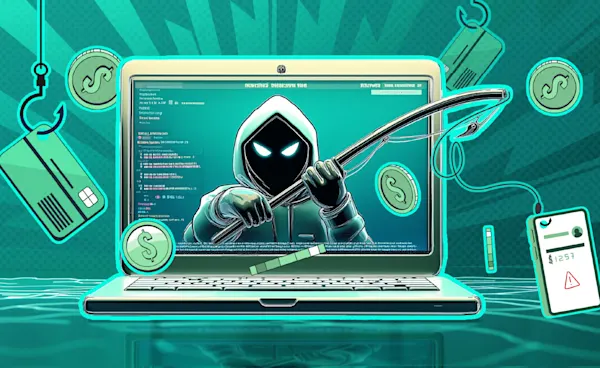
En el mundo digital de hoy, cada vez realizamos más actividades en línea: compras, pagos, transferencias, inscripciones. Y aunque eso nos facilita la vida, también nos expone a nuevos riesgos, como el phishing y el smishing, dos de las formas de fraude más comunes y peligrosas. El phishing es un tipo de estafa que se disfraza de mensaje confiable para engañarte y robarte información personal o financiera. Desde Kushki, sabemos lo importante que es sentirte segura/o cuando haces un pago en línea, por eso creamos esta guía sencilla para que aprendas qué es el phishing, cómo identificarlo y, sobre todo, cómo protegerte. ¿Qué es el phishing? El phishing es un engaño digital. Ocurre cuando personas malintencionadas se hacen pasar por empresas o instituciones conocidas para robarte datos sensibles, como: Contraseñas Información de tarjetas de crédito y/o débito Datos bancarios Generalmente, el phishing llega a través de: Correos electrónicos Mensajes de texto,SMS o WhatsApp (también llamado Smishing) Llamadas falsas Redes sociales Los delincuentes diseñan mensajes que parecen legítimos: utilizan logotipos, lenguaje profesional y direcciones de correo similares a las reales. A veces, incluso replican sitios web completos. Su objetivo es que hagas clic en enlaces falsos, descargues archivos sospechosos o compartas tu información sin darte cuenta de que estás siendo víctima de un fraude. Este tipo de estafa afecta a personas de todas las edades y perfiles. Desde jóvenes que compran por primera vez en línea, hasta adultos que hacen pagos frecuentes o transfieren dinero desde apps móviles. Nadie está exento, y por eso es fundamental saber cómo funciona. Phishing y Smishing: diferencias clave El Smishing es un tipo de phishing que ocurre a través de mensajes de texto (SMS) o aplicaciones de mensajería como WhatsApp. El atacante te engaña enviando un mensaje falso que generalmente contiene un enlace malicioso o una solicitud para que llames a un número. A menudo, los mensajes de smishing parecen venir de una entidad confiable, como tu banco o una tienda, y te instan a hacer algo inmediato, como verificar tu cuenta, cambiar tu contraseña o recibir un premio. El objetivo es el mismo que con el phishing: robarte datos sensibles. Señales de alerta para detectar un intento de phishing Estas son algunas banderas rojas que pueden ayudarte a identificar un ataque de phishing: - Errores ortográficos o redacción extraña: pequeños descuidos o frases mal construidas pueden ser una señal de alerta. - Mensajes con tono urgente o amenazante: frases como "última advertencia" o "actúa ahora o perderás el acceso" buscan que tomes decisiones apresuradas. - Enlaces sospechosos: si pasas el cursor sobre el enlace (sin hacer clic), muchas veces verás que no coincide con el sitio oficial. - Archivos adjuntos inesperados: si no esperabas un archivo, no lo abras. Puede contener virus o software malicioso. - Ofertas demasiado buenas para ser verdad: regalos, sorteos o reembolsos inesperados suelen ser un anzuelo para obtener tus datos. 6 consejos para protegerte del phishing y smishing 1. Revisa siempre el remitente: Antes de hacer clic, asegúrate de que el correo proviene de una dirección oficial. Si te escribe tu banco o una tienda, busca si el dominio del correo es el correcto (por ejemplo, @banco.com y no @banc0.info). 2. No compartas tus datos personales por correo, SMS o redes sociales, especialmente si tú no iniciaste el contacto. Las empresas serias nunca te pedirán contraseñas o números de tarjeta por estos medios. 3. Activa la autenticación en dos pasos (2FA) en tus cuentas. Es una capa extra de seguridad muy efectiva, ya que incluso si alguien obtiene tu contraseña, necesitará un segundo código para ingresar. 4. No te dejes llevar por la urgencia. Los estafadores quieren que tomes decisiones rápidas. Tómate tu tiempo para leer, analizar y, si hace falta, preguntar a la fuente oficial antes de actuar. 5. Usa contraseñas seguras y diferentes para cada cuenta. Considera un gestor de contraseñas para ayudarte. Así, si una cuenta es vulnerada, las demás seguirán protegidas. 6. Bloquea y reporta números sospechosos. La mayoría de los teléfonos permiten bloquear números y reportarlos como spam. También puedes reportar estos intentos ante autoridades locales o la empresa suplantada. Igualmente, es útil mantener actualizado tu software, utilizar navegadores seguros y tener un antivirus confiable instalado. Panorama del phishing y smishing en Colombia En Colombia, los ataques de phishing y smishing han experimentado un aumento significativo en los últimos años, convirtiéndose en una preocupación creciente para las autoridades y los ciudadanos. - Incremento de ataques: Según datos de Kaspersky, (compañía multinacional rusa dedicada a la seguridad informática); entre julio de 2023 y julio de 2024, los ataques de phishing en Colombia aumentaron un 120% en comparación con el periodo anterior. Esto se traduce en aproximadamente 166,000 intentos de phishing diarios, es decir, alrededor de 115 por minuto. - Casos de smishing: En 2023, se reportaron 743 incidentes de smishing en el país, representando el 4.5% de los delitos informáticos registrados. (Fuente: Infobae Colombia). - Sectores más afectados: El sector financiero es uno de los más atacados, con aproximadamente 45 intentos de ciberataques por segundo. Además, los delincuentes suelen enfocarse en usuarios con menor conocimiento en ciberseguridad, aprovechando la falta de educación digital para ejecutar sus fraudes. ¿Qué hacer si crees que fuiste víctima? Actúa rápido: Cambia tus contraseñas inmediatamente. Contacta a tu banco o entidad financiera para bloquear tarjetas o movimientos. Reporta el incidente en los canales oficiales del sitio o empresa afectada. Monitorea tus cuentas y movimientos recientes durante las siguientes semanas. También puedes reportar correos sospechosos a servicios especializados o a las autoridades locales para ayudar a prevenir nuevos ataques a otras personas. Si descargaste algo sospechoso, realiza un escaneo completo de tu dispositivo y evita conectarte a redes públicas hasta asegurarte de que esté limpio. En Kushki, te acompañamos En Kushki trabajamos todos los días para que tus pagos digitales sean más seguros. No podemos evitar todos los fraudes, pero sí podemos darte herramientas para que estés mejor preparado. Nuestra tecnología de pagos cuenta con altos estándares de seguridad para crear entornos digitales más protegidos para los usuarios. Utilizamos prácticas como: Tokenización para proteger la información sensible Monitoreo constante de transacciones para detectar posibles fraudes Cumplimiento con normativas internacionales de seguridad (como PCI DSS) Conoce más consejos sobre seguridad aquí La confianza se construye protegiéndonos mutuamente. En Kushki, te acompañamos para que tu experiencia digital sea más segura.
Avatar img
Steff Cervantes
Redactora B2B
mayo 13, 2025